Create an Outdoor Space Where Structure and Nature Work Together
A well-designed landscape combines built features with natural elements to create an outdoor environment that is both functional and visually appealing. Hardscape features such as patios, walkways, retaining walls, and driveways provide structure and usability, while plants, trees, lawns, and gardens add color, texture, and seasonal interest. When these elements are carefully balanced, they create a unified landscape that feels comfortable, organized, and inviting.
Many homeowners focus heavily on either hardscape or landscaping during outdoor renovations. Too much hardscape can make a yard feel rigid and absorb heat, while too much vegetation may require extensive maintenance and reduce the usability of the space. The most successful landscape designs integrate both elements so they complement rather than compete with each other.
This guide explores how to balance hardscape and nature to create an outdoor space that remains practical, attractive, and enjoyable throughout the year.
Understanding Hardscape and Softscape
Before planning a landscape, it is important to understand the difference between hardscape and softscape.
Hardscape refers to the non-living features of a landscape, including:
- Patios
- Walkways
- Driveways
- Retaining walls
- Stone pathways
- Decks
- Outdoor kitchens
- Fire pits
- Pergolas
- Water features
Softscape includes the living components of a landscape, such as:
- Trees
- Shrubs
- Flower beds
- Ground covers
- Lawns
- Native plants
- Ornamental grasses
- Vegetable gardens
A balanced landscape uses both elements to create a space that serves practical needs while maintaining a natural appearance.
Start with a Functional Layout
Every successful landscape begins with a plan that reflects how the space will be used.
Consider questions such as:
- Where will people gather?
- Which areas require shade?
- How will visitors move through the yard?
- Where should children or pets play?
- Which locations receive the most sunlight?
Dividing the landscape into functional zones helps determine where hardscape features should be placed and where natural areas should remain.
Use Hardscape to Define Outdoor Spaces
Hardscape provides structure and organization without overwhelming the landscape.
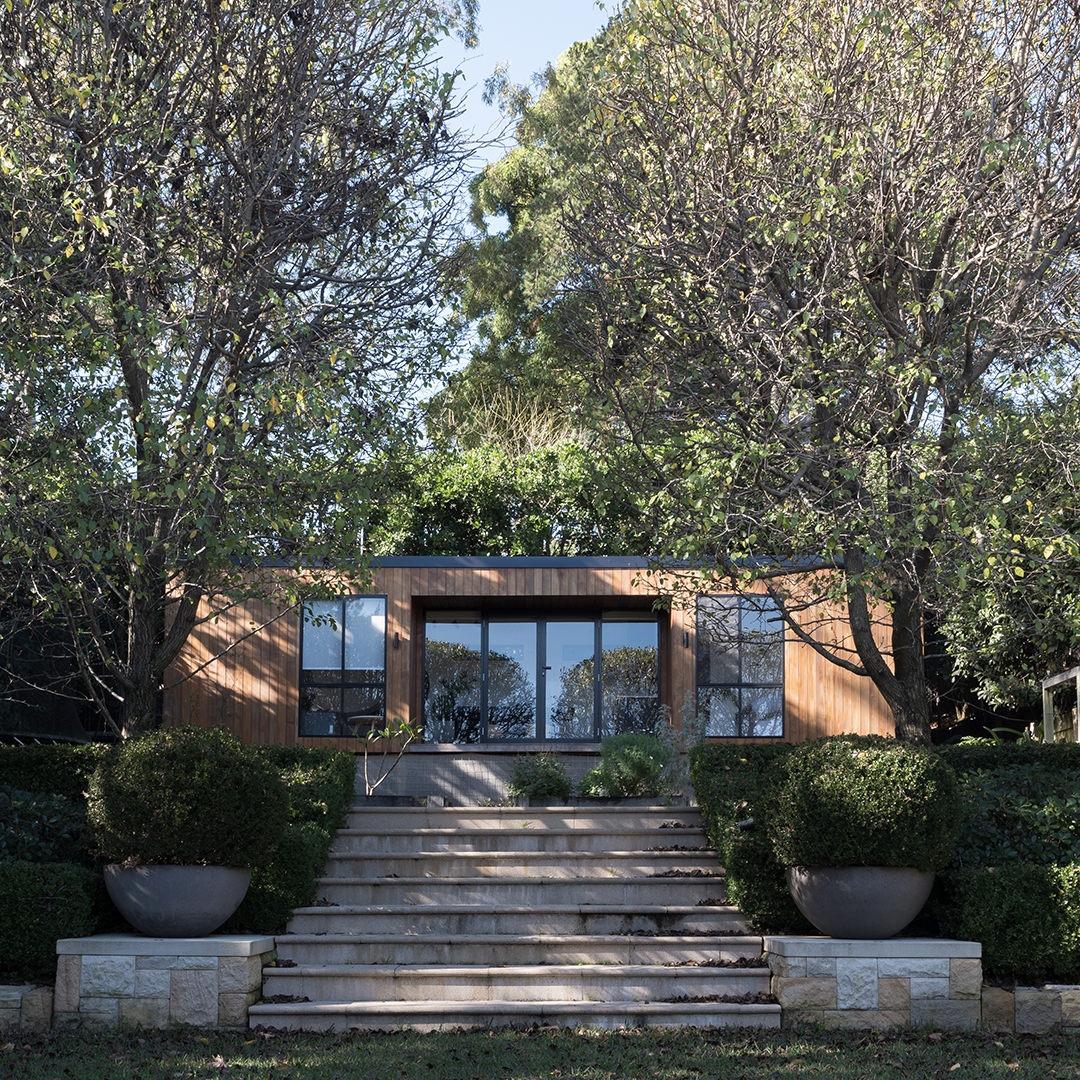
Patios create outdoor living areas, while walkways guide movement between different sections of the property. Retaining walls help manage sloped terrain and create planting terraces. Driveways and entry paths improve accessibility and establish a clear sense of arrival.
Using hardscape to define spaces makes the landscape easier to navigate while preserving room for gardens and green areas.
Soften Hard Edges with Plants
Hardscape materials such as concrete, brick, and natural stone can appear formal when used alone.
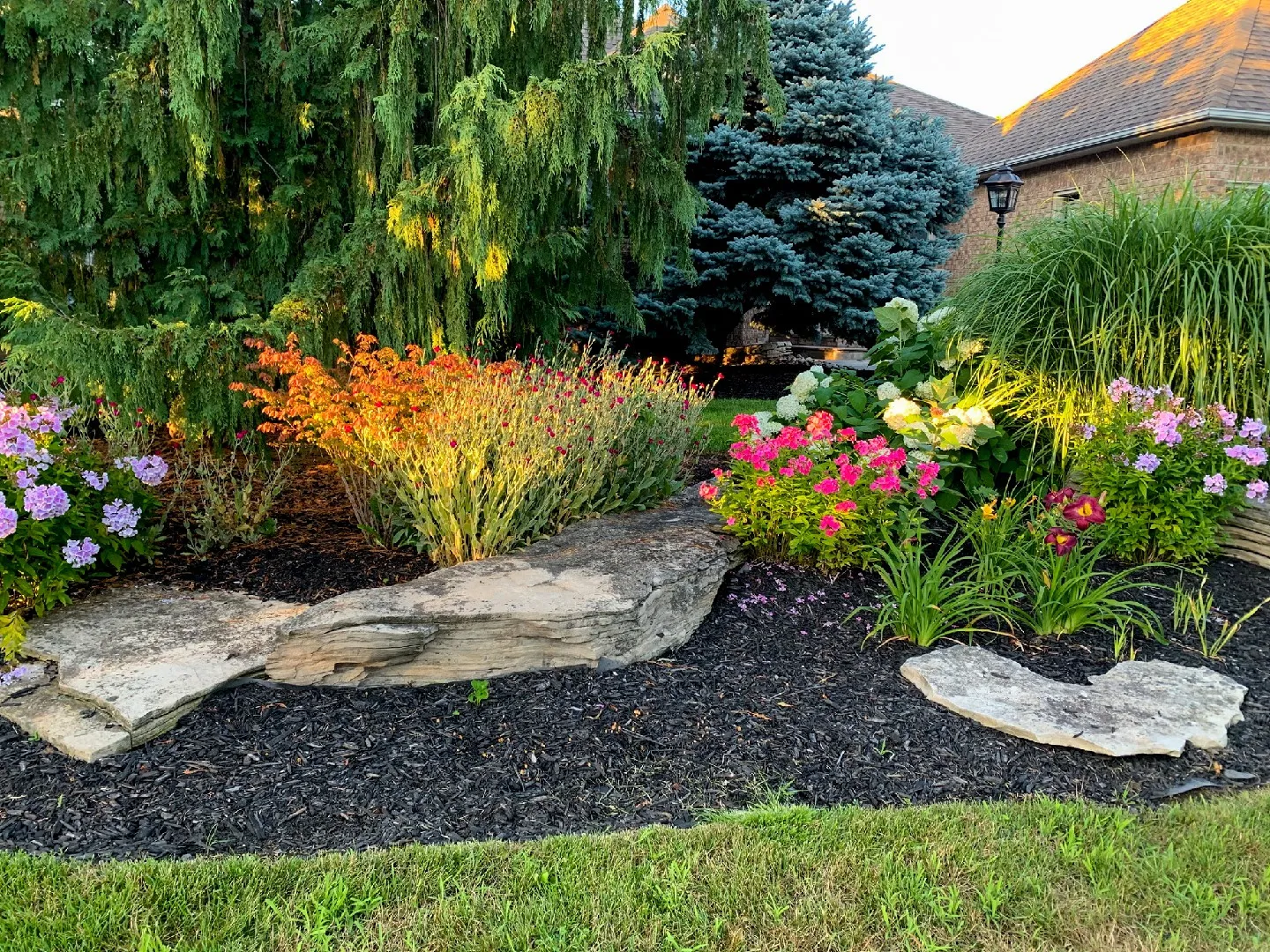
Plants help soften these surfaces by adding texture and seasonal variation.
Effective ways to blend hardscape with nature include:
- Planting ornamental grasses along pathways
- Adding shrubs around patios
- Installing flower beds beside retaining walls
- Growing climbing plants on pergolas
- Using ground covers between stepping stones
These additions reduce visual contrast and create a smoother transition between built and natural elements.
Choose Materials That Complement the Landscape
Material selection has a significant influence on the overall appearance of the property.
Natural materials often blend more easily with surrounding vegetation.
Popular hardscape materials include:
- Natural stone
- Brick
- Gravel
- Timber
- Concrete pavers
- Decorative rock
Selecting colors and textures that reflect the surrounding environment helps create a more unified design.
Maintain the Right Balance
There is no universal ratio between hardscape and softscape because every property has different needs. However, maintaining a balance is important.
A landscape with excessive paving may become hot during summer and limit planting opportunities. On the other hand, a yard filled entirely with vegetation may lack functional outdoor living areas.
Aim to provide enough hardscape for daily activities while preserving generous planting areas that support shade, biodiversity, and visual appeal.
Add Trees for Shade and Structure
Trees play a central role in balancing hardscape with nature.
Strategically placed trees can:
- Provide shade over patios
- Reduce heat around paved surfaces
- Improve air quality
- Create privacy
- Support local wildlife
- Add seasonal interest
Selecting species suited to the local climate helps ensure healthy growth with manageable maintenance requirements.
Include Native Plants
Native plants adapt well to local weather and soil conditions.
They often require:
- Less watering
- Fewer chemical treatments
- Reduced maintenance
- Minimal fertilizer
Native species also provide food and shelter for birds, butterflies, and beneficial insects, contributing to a healthier landscape ecosystem.
Create Smooth Transitions
Abrupt changes between paved surfaces and planting areas can make a landscape feel disconnected.
Use transition elements such as:
- Decorative gravel
- Mulch
- Border plants
- Curved garden beds
- Stone edging
- Low-growing shrubs
These features help connect hardscape and softscape into a single, cohesive design.
Add Water Features for Balance
Water features combine natural movement with architectural design.
Popular options include:
- Garden fountains
- Reflecting pools
- Small ponds
- Cascading waterfalls
- Bubbling rocks
Water introduces sound, movement, and visual interest while creating a peaceful atmosphere.
Layer Plants for Visual Interest
Layering vegetation creates depth and makes the landscape appear more natural.
A simple planting structure includes:
- Trees as the upper layer
- Shrubs in the middle layer
- Perennials and grasses below
- Ground covers near pathways
This arrangement complements hardscape features without blocking important views.
Consider Seasonal Changes
A balanced landscape should remain attractive throughout the year.
Include a variety of plants that provide:
- Spring flowers
- Summer foliage
- Autumn color
- Winter structure
Evergreen shrubs and ornamental trees help maintain visual interest when flowering plants are dormant.
Improve Outdoor Lighting
Lighting connects hardscape and landscaping after sunset.
Well-placed fixtures can illuminate:
- Walkways
- Patios
- Garden beds
- Trees
- Water features
- Entryways
Layered lighting improves safety while highlighting both structural and natural elements.
Plan for Easy Maintenance
An attractive landscape should also be practical to maintain.
Reduce maintenance by:
- Installing efficient irrigation systems
- Applying mulch around planting beds
- Selecting drought-tolerant plants
- Using durable paving materials
- Controlling weeds with proper edging
A manageable maintenance routine helps preserve the landscape’s appearance over time.
Think About Sustainability
Sustainable landscape design benefits both the property and the environment.
Consider incorporating:
- Permeable paving
- Rain gardens
- Native vegetation
- Composting areas
- Drip irrigation
- Rainwater harvesting
These features reduce water use, improve drainage, and support healthy plant growth while maintaining an attractive outdoor environment.
Work with Landscape Professionals
Professional landscape designers understand how to balance hardscape and softscape according to the size, layout, and conditions of a property.
Their expertise can help with:
- Site planning
- Material selection
- Plant selection
- Drainage solutions
- Outdoor living design
- Long-term maintenance planning
Professional planning helps avoid costly mistakes and creates a landscape that remains functional for years.
Conclusion
Balancing hardscape and nature is the foundation of a successful landscape design. By combining durable structural features with carefully selected plants, homeowners can create outdoor spaces that are both practical and visually connected. Patios, walkways, retaining walls, and other hardscape elements provide organization and usability, while trees, gardens, shrubs, and native plants bring life, texture, and seasonal beauty.
A unified landscape is achieved through thoughtful planning, appropriate material selection, healthy plant choices, and attention to long-term maintenance. Whether designing a new landscape or renovating an existing yard, creating harmony between built structures and natural elements results in an outdoor space that enhances everyday living while adding lasting value to the property.