A Complete Guide to Building Restoration Costs for Residential and Commercial Properties
Building restoration is an important investment that helps preserve the safety, appearance, and value of residential, commercial, and historic properties. Over time, buildings experience wear from weather, moisture, temperature changes, pollution, and everyday use. Cracked masonry, damaged concrete, deteriorating facades, and aging roofing systems can affect both the structural integrity and appearance of a property.
If you own a building in New Jersey, understanding the factors that influence restoration costs can help you plan your budget and choose the right contractor. Since every project is unique, restoration costs vary depending on the size of the building, the materials involved, the extent of the damage, and the complexity of the work.
This guide explains what building restoration includes, the factors that affect pricing, and what property owners in New Jersey can expect when planning a restoration project.
What Is Building Restoration?
Building restoration involves repairing, replacing, and preserving damaged or aging parts of a structure while maintaining its functionality and appearance. Unlike complete reconstruction, restoration focuses on extending the life of an existing building.
Common building restoration services include:
- Brick and masonry repair
- Tuckpointing and repointing
- Concrete restoration
- Facade repair
- Waterproofing
- Roof restoration
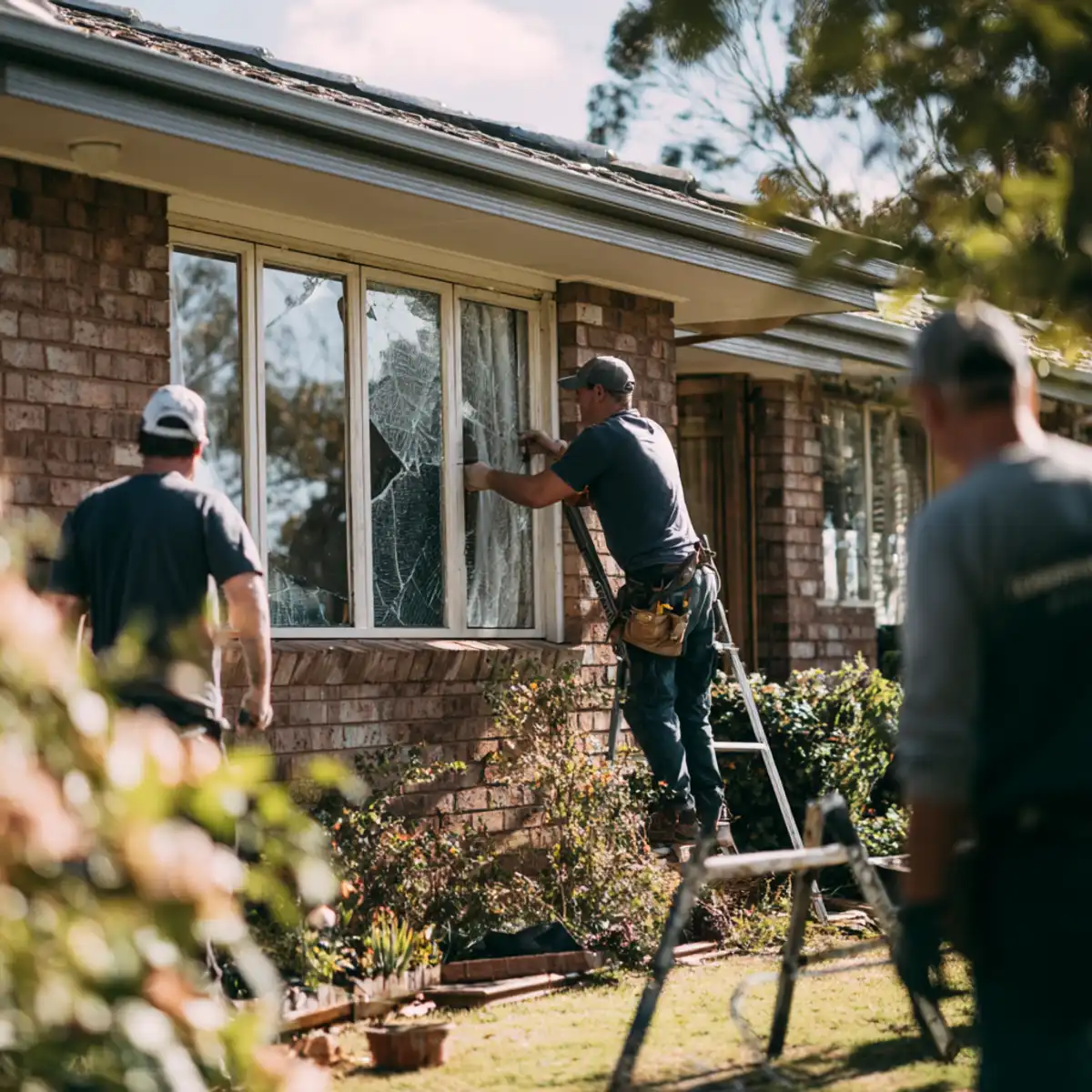
- Window replacement or restoration
- Structural repairs
- Exterior painting
- Historic building restoration
The goal is to restore the building to a safe, functional, and visually appealing condition.
Average Building Restoration Costs in New Jersey
The cost of building restoration depends on the scope of work. Small repairs may cost only a few thousand dollars, while extensive restoration projects for commercial or historic buildings can reach hundreds of thousands of dollars.
General cost ranges include:
- Minor building repairs: $5,000–$20,000
- Medium restoration projects: $20,000–$100,000
- Large commercial restoration: $100,000–$500,000 or more
- Historic building restoration: $150,000–$1 million or more, depending on the building’s size and preservation requirements.
Because every property is different, a professional inspection is the best way to obtain an accurate estimate.
Factors That Affect Building Restoration Costs
Several factors influence the total cost of a restoration project.
Building Size
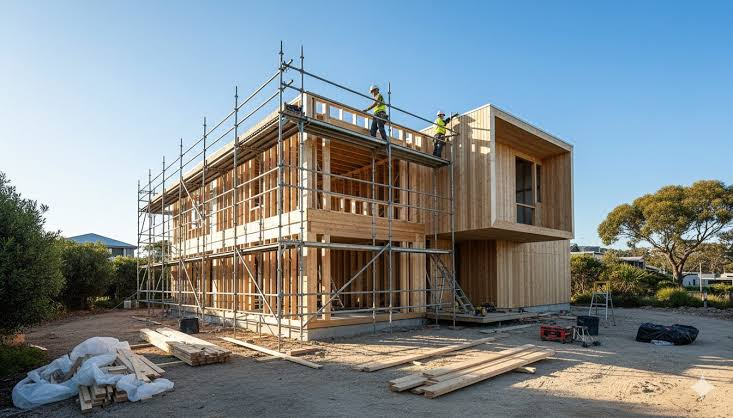
Larger buildings require more labor, materials, and equipment. Multi-story properties may also require scaffolding, lifts, or cranes, increasing overall project costs.
Type of Building
The restoration requirements for a single-family home differ from those of an apartment complex, office building, warehouse, or historic property.
Commercial buildings often require more extensive safety measures and specialized equipment.
Extent of Damage
Minor cosmetic repairs cost significantly less than structural restoration.
Damage caused by water intrusion, foundation movement, fire, or long-term neglect often requires additional repairs that increase project costs.
Building Materials
Different construction materials require different restoration techniques.
Common materials include:
- Brick
- Stone
- Concrete
- Stucco
- Metal
- Glass
- Wood
Some materials require specialized restoration methods and experienced craftsmen.
Accessibility
Buildings located in busy downtown areas or with limited access may require additional traffic control, specialized equipment, or extended labor hours.
Accessibility can significantly affect labor costs.
Common Building Restoration Services
Masonry Restoration
Brick and stone surfaces naturally deteriorate over time.
Masonry restoration may include:
- Brick replacement
- Mortar repair
- Crack repair
- Cleaning
- Waterproof sealing
Proper masonry restoration improves structural stability while restoring the building’s appearance.
Concrete Repair
Concrete restoration addresses problems such as:
- Surface cracks
- Spalling
- Water damage
- Reinforcement corrosion
- Uneven surfaces
Repairing damaged concrete early helps prevent more extensive structural issues.
Facade Restoration
The building facade protects the interior from weather while contributing to curb appeal.
Facade restoration may include:
- Surface cleaning
- Joint repair
- Masonry restoration
- Sealant replacement
- Exterior coating
Well-maintained facades also improve energy efficiency by reducing water penetration and air leaks.
Roof Restoration
Roof restoration extends the life of the existing roofing system.
Typical services include:
- Leak repair
- Membrane replacement
- Flashing repair
- Protective coatings
- Drainage improvements
Restoring the roof helps protect the entire building from water damage.
Waterproofing
Water infiltration is one of the leading causes of building deterioration.
Professional waterproofing services may include:
- Foundation waterproofing
- Exterior sealants
- Crack injection
- Drainage improvements
- Roof waterproofing
Preventing moisture intrusion reduces future repair costs.
Historic Building Restoration
New Jersey contains many historic homes and commercial buildings that require specialized restoration techniques.
Historic restoration often involves:
- Preserving original materials
- Matching historical finishes
- Restoring decorative architectural features
- Following local preservation guidelines
- Using traditional construction methods
Because of these additional requirements, historic restoration generally costs more than standard building repairs.
Labor Costs in New Jersey
Labor represents a significant portion of any restoration project.
Professional restoration contractors provide:
- Skilled masonry work
- Structural repairs
- Waterproofing expertise
- Safety compliance
- Quality workmanship
- Project management
Hiring experienced professionals helps ensure repairs are completed correctly and comply with New Jersey building codes.
Additional Costs to Consider
Some restoration projects require services beyond the basic repairs.
Additional expenses may include:
- Building inspections
- Engineering reports
- Permit fees
- Architectural planning
- Material testing
- Environmental assessments
- Scaffolding
- Debris removal
Including these items in your budget helps avoid unexpected costs during construction.
How to Reduce Building Restoration Costs
Property owners can control expenses by planning restoration projects carefully.
Helpful strategies include:
- Schedule regular building inspections.
- Address minor repairs before they become major problems.
- Repair water leaks immediately.
- Maintain roofing systems.
- Clean gutters and drainage systems regularly.
- Hire experienced restoration contractors.
- Request multiple written estimates.
- Use durable, high-quality materials.
Preventive maintenance is often far less expensive than major structural restoration.
Choosing the Right Building Restoration Contractor
Selecting a qualified contractor is one of the most important decisions in any restoration project.
Look for contractors who offer:
- Proper licensing and insurance
- Experience with similar projects
- Detailed written estimates
- Knowledge of New Jersey building codes
- References from previous clients
- Strong safety practices
- Warranty coverage
An experienced contractor can identify hidden issues early and recommend cost-effective restoration solutions.
Is Building Restoration Worth the Investment?
For most property owners, building restoration provides long-term value.
Restoration helps:
- Extend building lifespan
- Improve safety
- Increase property value
- Reduce future maintenance costs
- Improve energy efficiency
- Preserve architectural character
- Enhance curb appeal
Maintaining an existing building is often more cost-effective than replacing major structural components after years of neglect.
Conclusion
Building restoration costs in New Jersey depend on many factors, including the size of the property, the type of materials, the extent of damage, labor requirements, and the complexity of the project. While restoration may require a significant investment, timely repairs help prevent more expensive structural problems and protect the long-term value of your property.
Whether you need masonry restoration, concrete repair, waterproofing, facade improvements, or historic building preservation, working with experienced restoration professionals ensures the project is completed safely and efficiently. By investing in regular maintenance and addressing problems early, property owners can preserve the strength, appearance, and performance of their buildings for many years to come.