Discover How Interior Design Shapes the Way We Live
Interior design is more than arranging furniture or choosing paint colors. It is the process of creating spaces that are functional, comfortable, and visually appealing. Every room tells a story through its layout, lighting, materials, textures, and décor. A well-designed interior can improve productivity, encourage relaxation, and reflect the personality of the people who use the space.
Whether you are decorating a small apartment, renovating a family home, or designing a commercial office, interior design combines creativity with practical planning. It brings together art, architecture, psychology, and functionality to create environments that support everyday living.
This guide explores why interior design is so interesting and how thoughtful design choices can transform any space into a place that feels welcoming and purposeful.
Interior Design Blends Art and Function
One of the reasons interior design is so fascinating is its ability to combine beauty with practicality.
Every design decision serves a purpose. Furniture must fit the available space, lighting should support daily activities, and colors influence the mood of a room. Rather than focusing only on appearance, interior design considers how people move, work, relax, and interact within a space.
A successful design balances aesthetics with everyday functionality.
Every Space Has Its Own Character
No two homes or buildings are exactly alike.
Each space has unique dimensions, natural lighting, architectural features, and design opportunities. Interior designers study these characteristics to create layouts that maximize comfort and efficiency.
Even rooms with similar sizes can have completely different designs based on the needs and preferences of the people using them.
This creative problem-solving makes every project unique.
Interior Design Reflects Personal Style
A home is often an expression of personal taste.
Interior design allows homeowners to create spaces that reflect their lifestyle, interests, and preferences through elements such as:
- Furniture
- Wall colors
- Artwork
- Flooring
- Lighting
- Fabrics
- Decorative accessories
- Storage solutions
Some people prefer modern interiors with clean lines, while others enjoy traditional, rustic, industrial, or minimalist designs. Interior design makes it possible to personalize every room.
Colors Influence Mood
Color plays an important role in interior design.
Different colors create different emotional responses.
For example:
- Neutral tones create calm environments.
- Blue often supports relaxation.
- Green creates a connection with nature.
- Earth tones add warmth.
- White increases the feeling of openness.
Choosing the right color palette helps create the atmosphere best suited for each room.
Lighting Changes the Feel of a Room
Lighting is one of the most influential elements of interior design.
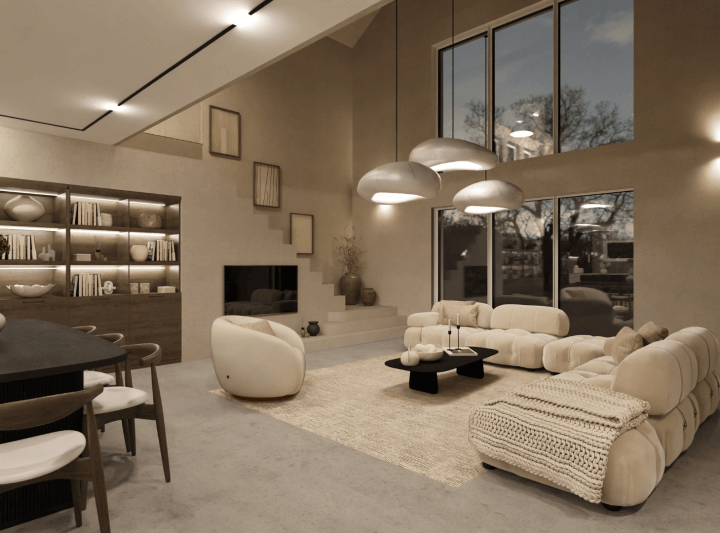
Natural light makes spaces feel open and inviting, while carefully planned artificial lighting improves both function and appearance.
A balanced lighting plan often includes:
- Ambient lighting
- Task lighting
- Accent lighting
Combining these layers creates comfortable spaces that adapt to different activities throughout the day.
Furniture Shapes Daily Living
Furniture is more than decoration.
Its placement affects movement, comfort, and functionality.
Thoughtful furniture selection considers:
- Room size
- Traffic flow
- Storage needs
- Seating capacity
- Daily activities
Well-arranged furniture creates spaces that are comfortable and practical without feeling overcrowded.
Interior Design Improves Functionality
Good design helps people use space more efficiently.
Examples include:
- Built-in storage
- Multi-purpose furniture
- Open floor plans
- Organized workspaces
- Efficient kitchen layouts
Small changes in layout often make rooms feel larger and easier to use.
Materials Add Texture and Depth
Interior design involves more than selecting colors.
Materials influence both appearance and comfort.
Common materials include:
- Wood
- Stone
- Glass
- Metal
- Fabric
- Tile
- Concrete
Combining different textures creates visual interest while adding depth to the overall design.
Interior Design Supports Well-Being
The environment around us affects how we feel.
A thoughtfully designed space can encourage:
- Better concentration
- Relaxation
- Organization
- Social interaction
- Comfort
- Productivity
Natural light, proper ventilation, comfortable furniture, and organized layouts all contribute to a healthier indoor environment.
Sustainability Is Changing Interior Design
Many homeowners now prioritize environmentally responsible design choices.
Sustainable interior design may include:
- Energy-efficient lighting
- Recycled materials
- Low-emission finishes
- Natural fabrics
- Durable furniture
- Indoor plants
- Water-saving fixtures
These choices reduce environmental impact while creating healthier living spaces.
Technology Is Transforming Interior Spaces
Modern technology has become an important part of interior design.
Smart home features may include:
- Automated lighting
- Smart thermostats
- Voice-controlled devices
- Motorized window coverings
- Home security systems
- Energy monitoring
Technology enhances convenience while blending into modern interior layouts.
Interior Design Increases Property Value
Well-designed interiors often make homes more attractive to buyers.
Updated kitchens, functional bathrooms, organized storage, quality finishes, and balanced layouts contribute to a property’s overall appeal.
While design alone cannot determine property value, attractive interiors often improve marketability and create a positive first impression.
Small Design Changes Can Make a Big Difference
Improving an interior does not always require a complete renovation.
Simple updates such as:
- Repainting walls
- Replacing lighting fixtures
- Rearranging furniture
- Adding storage
- Updating flooring
- Introducing plants
- Refreshing window treatments
can significantly improve both appearance and functionality.
Working With an Interior Designer
Professional interior designers combine creativity with technical knowledge.
They assist with:
- Space planning
- Furniture selection
- Material coordination
- Lighting design
- Color selection
- Project management
- Budget planning
Their expertise helps create interiors that balance style, comfort, and practicality.
Interior Design Is Always Evolving
Design trends change over time as lifestyles, materials, and technology continue to develop.
Current trends often emphasize:
- Open living spaces
- Natural materials
- Flexible furniture
- Sustainable products
- Neutral color palettes
- Indoor-outdoor connections
At the same time, timeless design principles such as balance, proportion, and functionality remain important regardless of changing styles.
Conclusion
Interior design is interesting because it combines creativity, functionality, and personal expression to shape the spaces where people live, work, and relax. Every decision—from room layout and lighting to materials and furniture—contributes to creating an environment that supports comfort, efficiency, and everyday life.
Whether you are updating a single room or planning a complete home renovation, thoughtful interior design helps transform ordinary spaces into places that feel welcoming, practical, and uniquely suited to your lifestyle. By balancing aesthetics with functionality, interior design continues to play an important role in improving the way people experience their homes and workplaces.