Introduction
Minimalist décor is a design approach that focuses on simplicity, function, and clean visual space. It removes unnecessary items and keeps only what is useful or meaningful. This style helps create a calm and organized living environment without clutter.
Transforming a living space with minimalist décor does not require a full renovation. It involves planning, selecting the right furniture, and maintaining visual balance.
Understand Minimalist Design
Minimalist design is based on the idea of “less but better.” It avoids excessive decoration and focuses on space, light, and essential objects. Every item in the room should have a purpose or add value to the space.
Key principles include:
- Simplicity
- Functionality
- Clean lines
- Neutral colors
- Open space
Declutter Your Space
The first step in creating a minimalist home is removing unnecessary items. Clutter makes rooms feel smaller and less organized.
Start by:
- Removing unused furniture
- Sorting personal items
- Donating or discarding unused objects
- Keeping only essential décor pieces
A clean space allows the design to stand out more clearly.
Choose Neutral Colors
Color plays an important role in minimalist interiors. Neutral tones help create a calm and balanced environment.
Common choices include:
- White
- Beige
- Gray
- Soft earth tones
These colors reflect light and make spaces feel more open.
Select Simple Furniture
Furniture in minimalist décor should be functional and simple in design. Avoid heavy patterns or overly detailed pieces.
Look for:
- Straight lines
- Compact designs
- Multi-purpose furniture
- Lightweight structures
A sofa, table, or chair should serve a clear function without overwhelming the room.
Focus on Natural Light
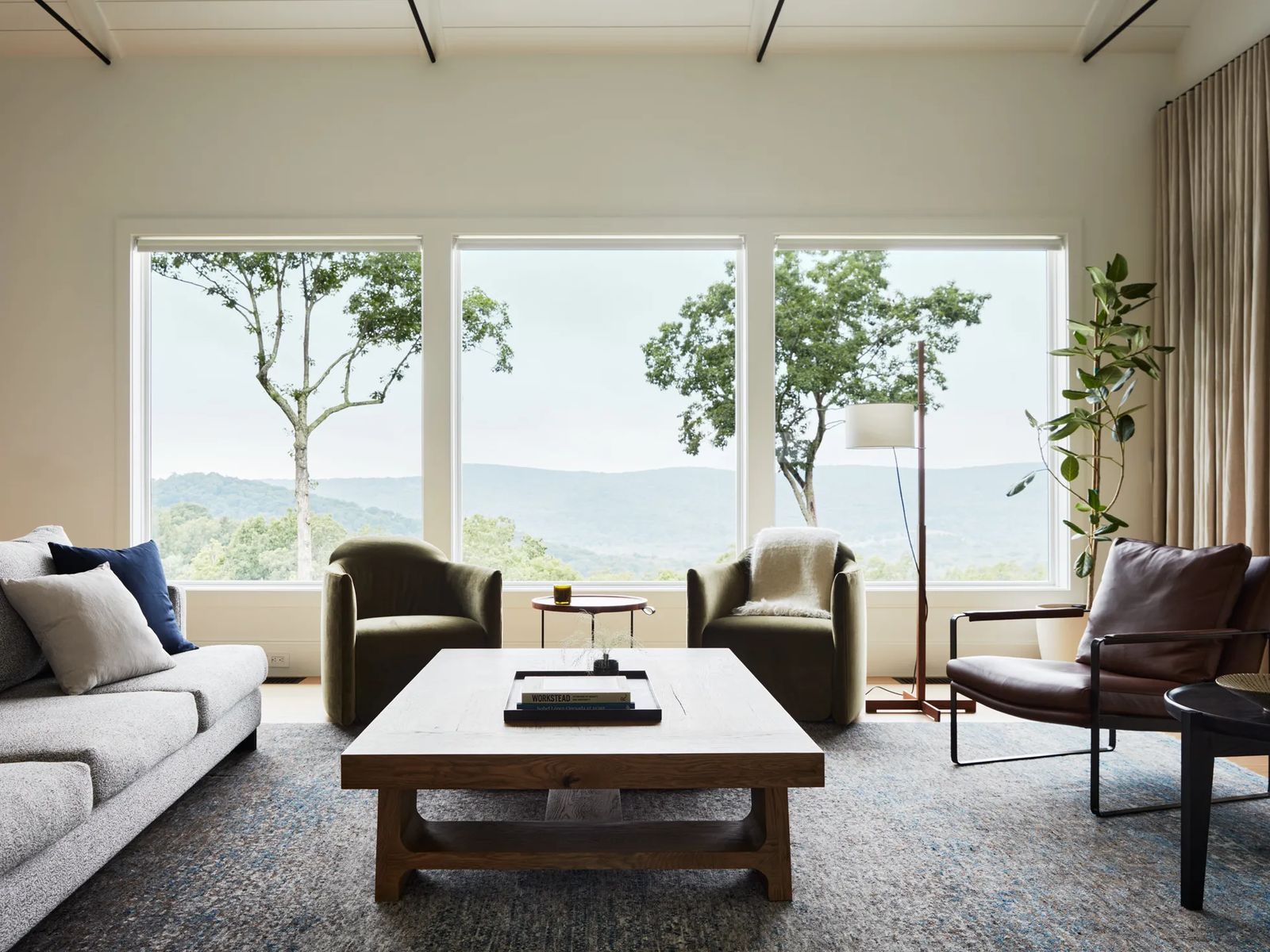
Natural light improves the feeling of space and openness. Keep windows clear and avoid heavy curtains.
Tips include:
- Use light curtains or blinds
- Place mirrors to reflect light
- Keep window areas uncluttered
Good lighting enhances the minimalist look.
Limit Decorative Items
Minimalist décor avoids excessive decoration. Instead of filling shelves and tables, choose a few meaningful items.
Examples:
- One or two art pieces
- A small plant
- A simple lamp
- A single decorative object
This helps maintain visual balance.
Use Smart Storage Solutions
Storage is important in minimalist spaces. Hidden storage helps reduce visible clutter.
Options include:
- Built-in cabinets
- Under-bed storage
- Wall-mounted shelves
- Multi-functional furniture with storage space
Proper storage keeps items organized and out of sight.
Maintain Open Space
Empty space is an important part of minimalist design. It allows rooms to feel larger and more comfortable.
Avoid filling every corner. Instead, leave breathing space between furniture and walls.
Add Natural Elements
Natural materials bring warmth to minimalist interiors. They balance the simplicity of the design.
You can include:
- Wooden furniture
- Indoor plants
- Stone or ceramic items
- Cotton or linen fabrics
These elements create a calm and natural environment.
Keep Surfaces Clean
Tables, counters, and shelves should remain mostly clear. Avoid stacking items or leaving unnecessary objects on surfaces.
A clean surface improves the overall appearance of the room.
Conclusion
Transforming your living space with minimalist décor involves removing clutter, choosing simple furniture, and maintaining open space. Neutral colors, natural light, and functional design create a balanced and calm environment. By focusing on essentials and avoiding excess, you can create a living space that feels organized, comfortable, and visually clean.
Frequently Asked Questions
What is minimalist décor?
Minimalist décor is a design style that focuses on simplicity, function, and reducing unnecessary items in a living space.
Is minimalist design expensive?
No. It often reduces costs because it uses fewer items and focuses on essential furniture and décor.
How do I start a minimalist home?
Start by decluttering, choosing neutral colors, and using simple furniture with clean designs.
Can I still decorate in a minimalist home?
Yes, but decoration should be limited to a few meaningful and simple items that do not create clutter.