Introduction
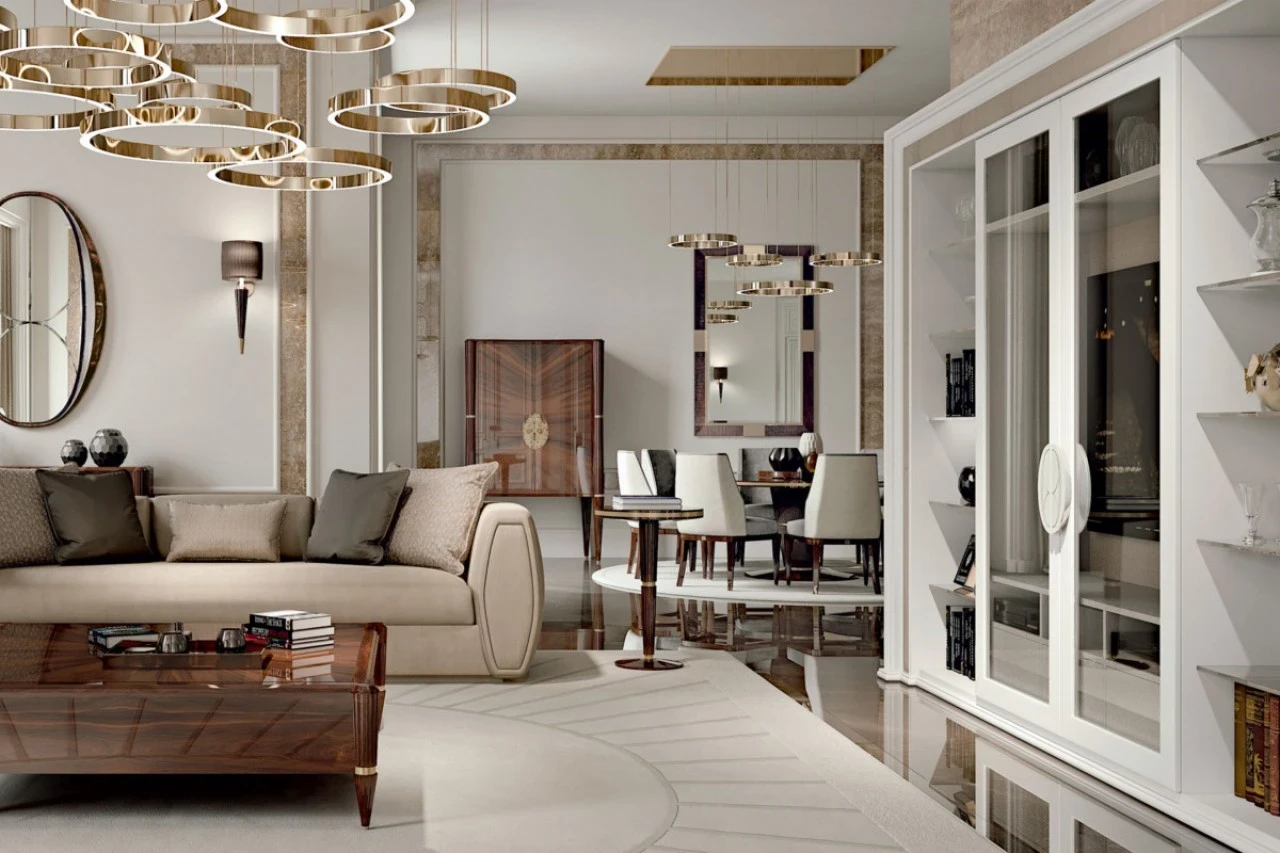
Italian luxury in home decor is based on craftsmanship, balance, and refined design. It combines traditional European design principles with modern simplicity. This style focuses on quality materials, clean structure, and timeless visual appeal. It does not rely on excess decoration but on detail, proportion, and finish.
Understanding Italian Luxury Design
Italian luxury design emphasizes harmony between form and function. It is influenced by architecture, art, and furniture design traditions from Italy. The goal is to create spaces that feel elegant, comfortable, and structured.
Key characteristics include:
- Balanced layouts
- High-quality materials
- Neutral and warm tones
- Attention to detail
- Functional elegance
Use High-Quality Materials
Materials play a central role in Italian-inspired interiors. Natural and durable materials are preferred over synthetic alternatives.
Common materials include:
- Marble
- Natural wood
- Leather
- Glass
- Stone
- Metal accents
These materials create a refined and long-lasting interior.
Focus on Neutral Color Palettes
Italian luxury interiors often use calm and balanced color schemes. These colors create a clean and sophisticated environment.
Typical tones include:
- White
- Beige
- Cream
- Gray
- Soft brown
Accent colors are used in small amounts to maintain balance.
Select Elegant Furniture
Furniture should combine comfort with refined design. Italian-inspired furniture often features smooth lines and careful detailing.
Key furniture choices include:
- Leather sofas
- Wooden dining tables
- Minimalist chairs
- Marble-top tables
- Structured shelving units
Each piece should contribute to the overall balance of the room.
Emphasize Space and Proportion
Italian design values proportion and open space. Rooms should not feel crowded. Furniture placement should support movement and visual clarity.
Tips include:
- Avoid overcrowding rooms
- Maintain symmetry where possible
- Leave open walking space
- Use furniture that fits room size
Lighting Design
Lighting is important in creating a luxury atmosphere. Italian interiors often use layered lighting to enhance depth and warmth.
Lighting options include:
- Pendant lights
- Wall sconces
- Floor lamps
- Recessed ceiling lighting
Warm lighting tones are commonly used to create a comfortable environment.
Incorporate Art and Design Elements
Art plays an important role in Italian luxury interiors. However, it is used selectively to maintain simplicity.
Examples include:
- Framed artwork
- Sculptures
- Ceramic pieces
- Design-focused decor objects
Each piece should be carefully chosen and placed.
Use Textures for Depth
Texture adds depth to modern interiors without overcrowding the space. Mixing materials creates visual interest.
Examples of texture combinations:
- Leather with wood
- Marble with metal
- Fabric with stone
- Glass with matte surfaces
Modern Italian Influence
Modern Italian decor combines traditional elegance with contemporary design. It focuses on clean lines and functional layouts while maintaining luxury elements.
Common modern features include:
- Open-plan layouts
- Minimal decorative items
- Integrated storage systems
- Smart home features
Maintain Simplicity
Despite the luxury focus, simplicity remains essential. Italian-inspired interiors avoid clutter and unnecessary items. Every design choice should serve a purpose.
Conclusion
Incorporating Italian luxury in modern home decor involves using high-quality materials, balanced layouts, and refined furniture. Neutral colors, thoughtful lighting, and minimal decoration create a sophisticated and functional living space. This design approach focuses on elegance through simplicity and attention to detail.
Frequently Asked Questions
What defines Italian luxury home decor?
Italian luxury home decor is defined by high-quality materials, balanced design, neutral colors, and elegant but simple interiors.
Can Italian design work in small homes?
Yes. Italian design focuses on proportion and simplicity, making it suitable for both small and large spaces.
What materials are commonly used in Italian interiors?
Common materials include marble, wood, leather, glass, stone, and metal accents.
Is Italian luxury design expensive?
It can be, depending on material choice, but the focus is on quality and long-lasting design rather than quantity of items.