Introduction
Natural stone is a building material used in sustainable home design for its durability, long life cycle, and low maintenance requirements. It is commonly used in flooring, walls, countertops, and exterior surfaces. Because it is sourced directly from nature and can last for decades, it is often considered a practical material in sustainable architecture.
This article explains how natural stone can be int
egrated into modern sustainable home designs and what factors to consider during planning and constructio
Why Natural Stone Supports Sustainable Design
Natural stone contributes to sustainability through its long lifespan and low processing requirements compared to many manufactured materials. It does not require frequent replacement, which reduces waste over time.
Key sustainability advantages include:
- Long service life
- Low maintenance needs
- Reusability in some cases
- Resistance to wear
- Minimal chemical processing
Common Types of Natural Stone
Different types of stone are used in residential construction depending on strength, texture, and appearance.
Granite
Granite is a hard stone commonly used for countertops and flooring due to its strength and resistance to heat and scratches.
Marble
Marble is used for interior design applications such as flooring and wall finishes. It provides a smooth surface but requires maintenance to prevent staining.
Limestone
Limestone is used in both interior and exterior design. It has a softer texture and is often chosen for walls and flooring.
Slate
Slate is commonly used for roofing and flooring. It is resistant to water and suitable for outdoor applications.
Sandstone
Sandstone is used in exterior walls and landscaping due to its natural texture and color variation.
Applications in Sustainable Homes
Natural stone can be used in many areas of a home design.
Flooring
Stone flooring is durable and long-lasting. It can reduce the need for frequent replacement compared to synthetic flooring materials.
Walls
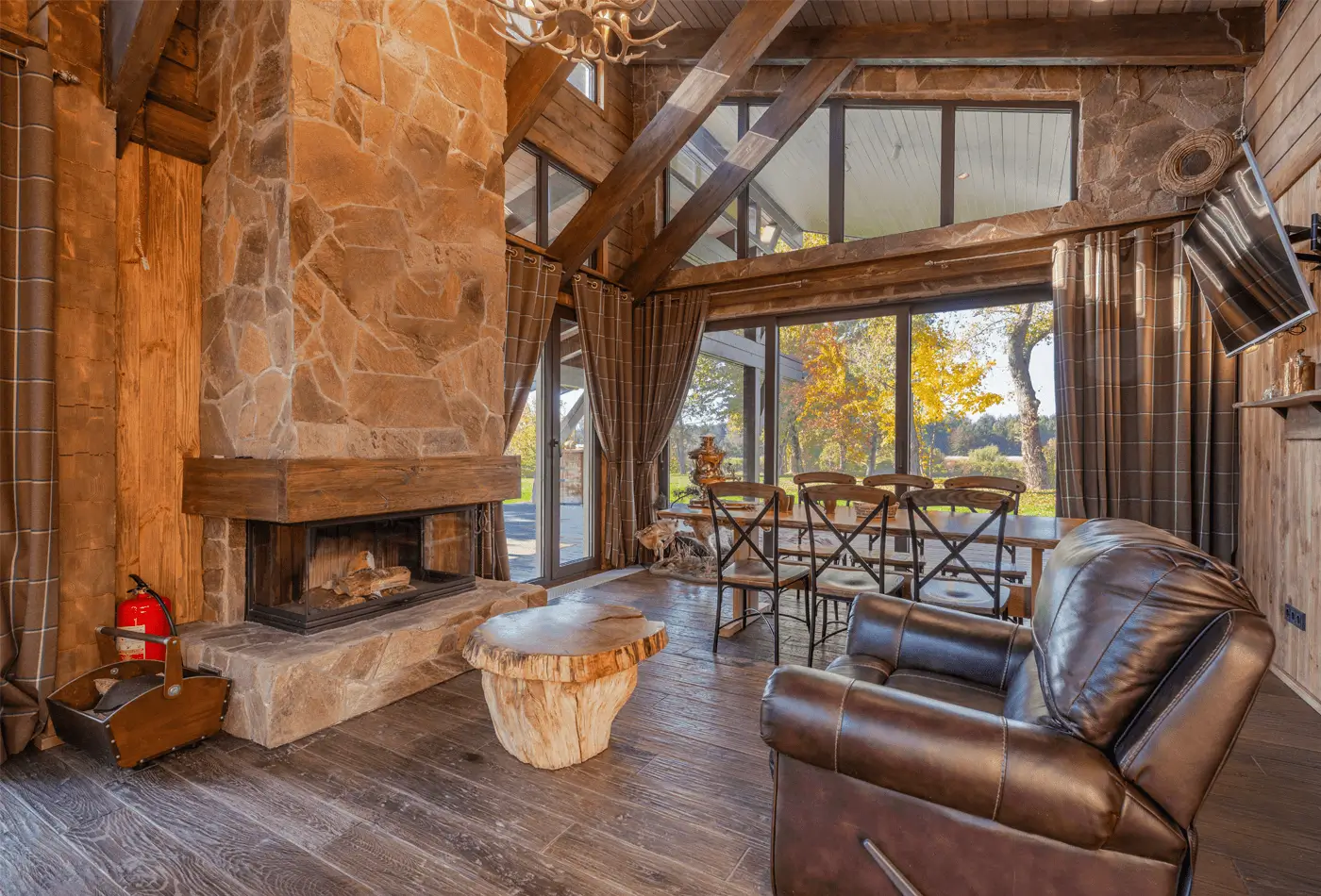
Stone walls provide thermal mass, which helps regulate indoor temperature by absorbing and releasing heat slowly.
Kitchen Surfaces
Granite and other hard stones are used in kitchen countertops due to their resistance to heat and wear.
Bathrooms
Stone is used in bathroom floors, walls, and sinks due to its water resistance when properly sealed.
Exterior Design
Stone is used in building facades, patios, and landscaping elements to create long-lasting outdoor structures.
Energy Efficiency Benefits
Natural stone contributes to energy efficiency through thermal mass. It helps stabilize indoor temperatures, reducing the need for heating and cooling systems.
Benefits include:
- Reduced temperature fluctuations
- Lower energy consumption
- Improved indoor comfort
Maintenance Considerations
Although natural stone is durable, it requires proper care to maintain its appearance and performance.
Maintenance practices include:
- Regular cleaning with mild products
- Sealing porous stone surfaces
- Avoiding harsh chemicals
- Periodic inspection for cracks or wear
Environmental Considerations
The environmental impact of natural stone depends on extraction and transportation methods. Locally sourced stone reduces transportation emissions. Responsible quarrying practices also help minimize environmental effects.
Design Integration Tips
When incorporating natural stone into home design, balance is important. Overuse can make spaces feel heavy, while selective use creates visual harmony.
Design tips include:
- Combine stone with wood or glass
- Use stone as a focal point
- Avoid excessive surface coverage
- Match stone type with room function
Modern Sustainable Architecture
Modern sustainable homes often combine natural stone with energy-efficient systems such as solar panels, insulation materials, and smart temperature control systems. This combination improves both performance and environmental impact.
Conclusion
Natural stone is a reliable material for sustainable home design due to its durability, energy efficiency benefits, and low maintenance requirements. When used thoughtfully, it enhances both interior and exterior spaces while supporting long-term environmental goals. Proper selection, placement, and care ensure that natural stone contributes effectively to sustainable living environments.
Frequently Asked Questions
Why is natural stone used in sustainable homes?
Natural stone is used because it is durable, long-lasting, and requires minimal maintenance compared to many synthetic materials.
Is natural stone environmentally friendly?
It can be environmentally friendly when sourced locally and extracted using responsible quarrying practices.
Which stone is best for kitchen use?
Granite is commonly used in kitchens because it is heat-resistant and durable.
Does natural stone help with energy efficiency?
Yes. Stone provides thermal mass, which helps regulate indoor temperatures and reduce energy use.